
The Myth Of Abundance
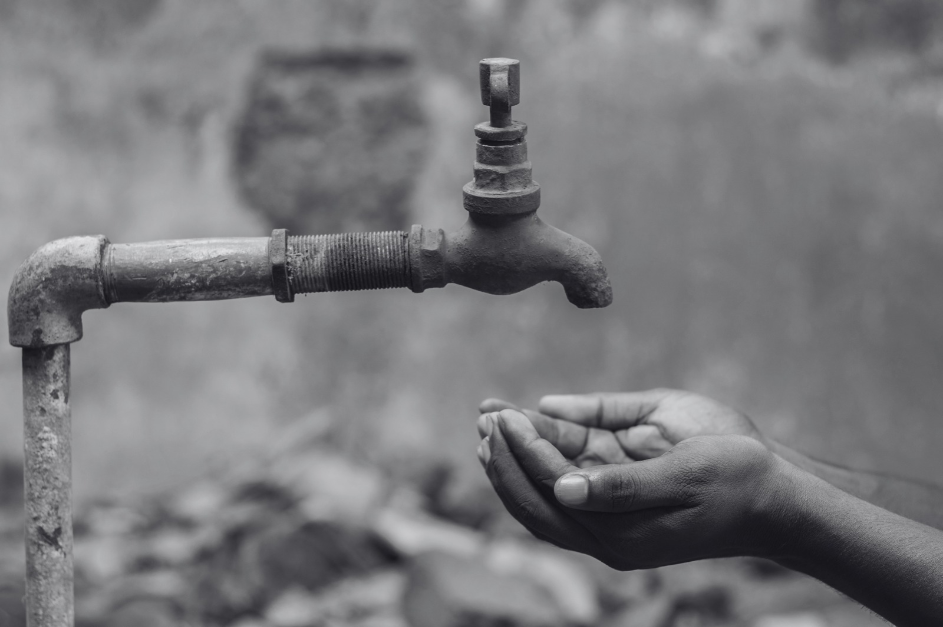
In January 2018, officials in Cape Town told four million residents they had roughly three months of water left.
Not a metaphor. An actual date. April 12. The day the city said its taps would run dry and residents would start queueing at collection points for a strict daily ration.
Cape Town is not a poor city, or an unprepared one. It has engineers, reservoirs, decades of infrastructure. None of that mattered once three consecutive years of drought did what infrastructure alone couldn’t undo.
Here’s what’s easy to forget now that Cape Town avoided Day Zero: nobody there believed, ten years earlier, that this could happen to them. Why would they? The taps had always worked. The dams had always filled again. Abundance wasn’t something anyone examined. It was just how things were.
That’s the thing about abundance. It never announces its own ending. It erodes quietly, one merely-below-average year at a time, until the assumption a city built its infrastructure on turns out to have been wrong the whole time.
Cape Town escaped Day Zero the way most crises get escaped: at enormous cost, at the last possible moment, through emergency measures that should have started years earlier. Residents cut their water use by more than half.
The city built an entire public campaign around a number, fifty liters a day, that most of the world had never had to think about.
We have seen this story before, in different resources, at different speeds. Coal. Oil.
Every input that seemed limitless, right up until it wasn’t, and then reshaped everything downstream of it.
Water is telling the same story now, in city after city, not because it suddenly became precious. It was always precious. We are only now being asked to notice.
The companies and cities that do well over the next decade will not be the ones waiting for their own Day Zero. They will be the ones asking the question now, while it is still just a question.
Because the truth is, abundance was never a fact about water.
It was a story everyone could afford to believe. Until, eventually, someone can’t.